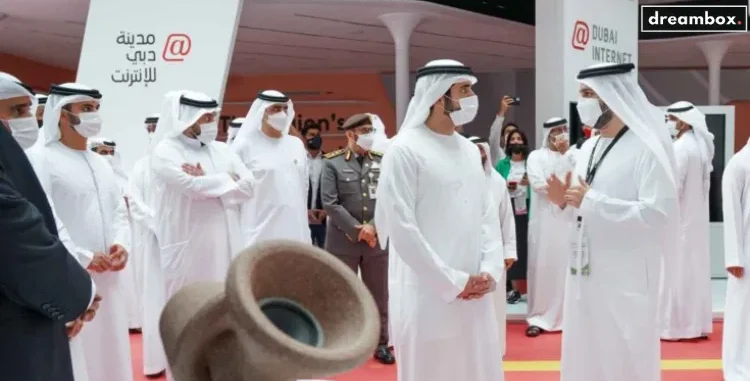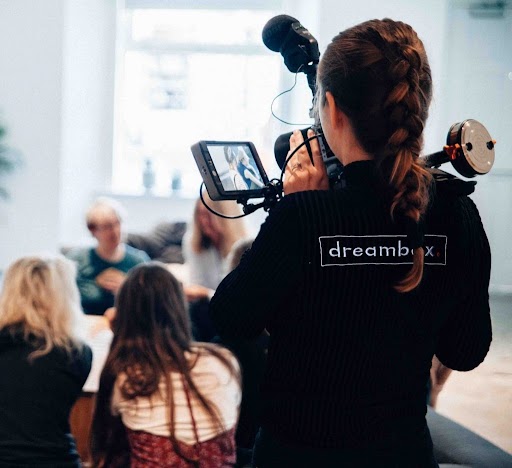

Exhibitions are massive investments, yet the physical event itself often lasts only a few days. Once the carpets are rolled up and the banners are taken down, what remains? The photos. High-quality photography is the only way to extend the lifespan of your exhibition. It can preserve your fleeting three-day event into a permanent marketing asset. However, simply walking around with a camera isn’t enough. To truly capture the ROI of your attendance, you need a strategic approach to visual documentation.
In this blog post, you will learn about the technical and creative exhibition photography ideas. We will look at how to move beyond basic snapshots and create a visual narrative that resonates with stakeholders, future attendees, and your digital audience. Without any delay, let’s dig in!
Overview of Exhibition Photography ROI
Exhibition photography plays a critical role in extending the lifespan of trade show investments, turning temporary displays into lasting marketing assets. Through strategic image capture such as hero architectural shots, motion blur techniques, and candid engagement photos, businesses move beyond basic snapshots. These high-impact visuals help demonstrate ROI to stakeholders while providing powerful content for future marketing campaigns.
What is Exhibition Photography and Why Does it Matter?
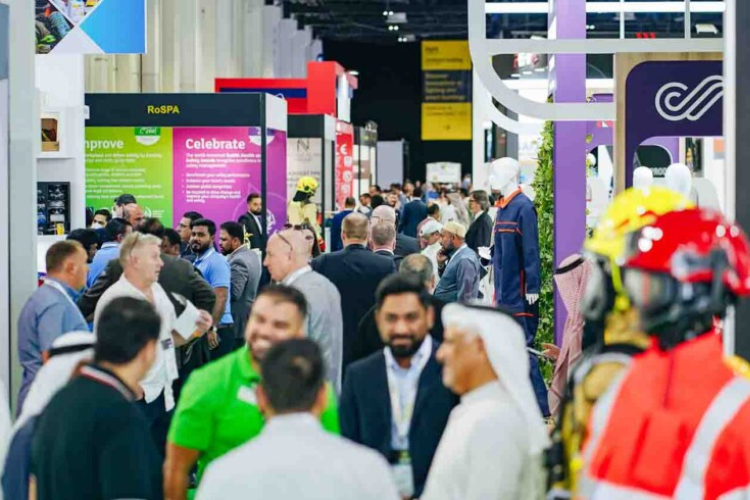
Exhibition photography is a specialized subset of event photography that focuses on documenting trade shows, expos, art galleries, and conventions. Unlike standard corporate event coverage, which might focus primarily on speakers or staged awards, exhibition photography requires a dual focus: capturing architectural design and human engagement.
It is a technical discipline that often requires balancing difficult lighting conditions, usually a mix of harsh overhead convention center lights and targeted spot lighting on displays, while managing crowded environments.
Why is this investment critical for your business strategy?
- Extending Brand Visibility: Your physical booth reaches only the people who attend the event. Your digital photos reach the world. Professional images feed your social media channels, press releases, and website for months after the event concludes. They serve as “evergreen” event marketing photos that prove your industry presence.
- Proving ROI to Stakeholders: Marketing managers often need to justify the exhibition budget to the C-suite. High-resolution imagery showing a crowded booth, engaged leads, and high-quality branding provides visual proof of success. It validates the expense and helps secure budgets for future events.
- Enhancing Future Marketing Materials: When you start promoting your attendance at next year’s expo, you need compelling visuals. Stock photos of generic businessmen shaking hands won’t cut it. You need authentic images of your team and your products to generate excitement and registrations.
What Are the Best Exhibition Photography Ideas for Branding?
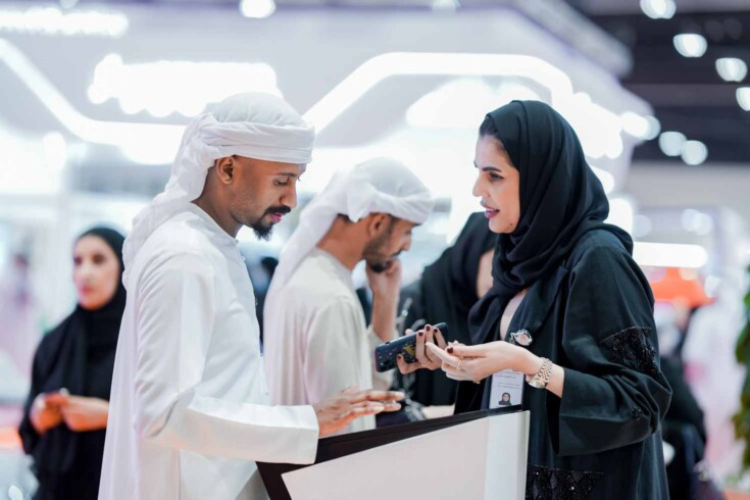
You need a shot list that covers architectural details, human connection, and brand identity. Here are the most effective approaches an expert exhibition photographer will use:
1. The “Hero” Architectural Shot
Before the doors open and the crowds swarm in, you need the “Hero” shot. This is a wide-angle photograph of your booth in its pristine state.
- Technical focus: Use a wide-angle lens (16-35mm is ideal) to capture the scale. Ensure vertical lines are straight (avoiding keystoning distortion) to maintain professional architectural standards.
- Why it works: This image acknowledges the design effort and serves as a perfect portfolio piece for the booth builders and your design team.
2. Shallow Depth of Field for Product Details
Exhibitions are visual clutter. To isolate your product from the chaos of the convention hall, use a macro lens or a telephoto lens with a wide aperture (f/2.8 or f/1.8).
- The Shot: Focus sharply on a specific detail of your new product prototype or display, letting the background blur into a soft “bokeh.”
- Why it works: This draws the viewer’s eye exactly where you want it, communicating quality and precision without the distraction of passing attendees.
3. Dynamic Motion Blur
Still photos can sometimes make a lively event look stagnant. To convey energy and high foot traffic, use a slower shutter speed (around 1/15th or 1/30th of a second).
- The Shot: Mount the camera on a tripod. Keep the booth and your logo sharp and in focus, but allow the passing attendees to blur slightly as they walk by.
- Why it works: This technique, often called “dragging the shutter,” visually communicates that your booth was a hub of activity and energy.
4. The “Engagement” Candid
Posed photos of staff smiling at the camera are fine for the “Meet the Team” page, but they don’t sell your product. You need reportage-style candids.
- The Shot: Capture your sales representatives mid-conversation with a potential lead. Look for genuine gestures—pointing at a screen, handing over a brochure, or a shared laugh.
- Why it works: Authenticity builds trust. These images show prospective clients that your team is approachable, knowledgeable, and helpful.
5. Branding in Context
Your logo shouldn’t just be on the wall; it should be part of the environment.
- The Shot: Look for creative ways to frame the shot so your branding is visible but not forced. This could be a shot over the shoulder of a staff member wearing a branded polo, or a coffee cup with your logo in the foreground of a busy meeting.
- Why it works: Subliminal branding reinforces identity without being an overt advertisement. It creates a cohesive visual narrative.
To wrap up:
Exhibition photography is often treated as a final detail, yet it plays a lasting role in preserving your brand’s impact long after the event concludes. If you are looking to capture your next event with precision and creativity, consider partnering with experts who understand the local landscape. Dreambox is an industry-acclaimed, ICV-certified photography and video production company based in Dubai. From large-scale trade shows to corporate events, we specialize in creating clear storytelling that extends the life of your exhibition.
Reach out to us to secure a team that understands how to turn your event presence into a permanent asset.
Frequently Asked Questions
1. What types of photos do businesses usually need from an exhibition?
Businesses typically need a balanced mix of images that showcase the event’s scale and engagement. This includes wide shots of the booth and crowd, detailed product close-ups, candid interaction shots, and professional team photos captured before the event opens.
2. How far in advance should I hire an exhibition photographer?
It is best to book an exhibition photographer 1 to 3 months in advance. Popular photographers fill their calendars quickly during peak trade show seasons, and early booking allows time to align on shot lists, schedules, and technical requirements.
3. What equipment is best for exhibition photography?
Professional exhibition photographers use full-frame DSLR or mirrorless cameras for low-light environments, fast zoom lenses like 24-70mm f/2.8 for flexibility, and external flash units to manage harsh or uneven lighting common in convention halls.
4. How many photos should I expect from a one-day exhibition?
From a one-day exhibition, expect around 50 to 100 professionally edited, high-resolution images. Skilled photographers prioritize quality over volume, ensuring the final images are strong marketing assets rather than a large set of unusable photos.
5. Can exhibition photos be used for ads or commercial campaigns?
Yes, exhibition photos can usually be used for marketing, but commercial advertising may require model release forms for recognizable individuals. For editorial use or social media coverage, releases are often unnecessary, though legal guidance is recommended.
6. What is the biggest challenge in exhibition photography?
Lighting is the biggest challenge in exhibition photography. Mixed lighting sources like fluorescent, tungsten, and daylight can create color casts. Experienced photographers manage this through custom white balance, controlled flash use, and careful post-processing.
7. How long does editing usually take for exhibition photos?
Editing typically takes 3 to 5 business days for full delivery. Many photographers also offer rush options or social media previews, providing a small set of highlight images within 24 hours to support timely online promotion.